




So: How often should an air conditioner be serviced? It’s hard to get a straight answer, isn’t it?
If you’re just here to know, so you can lock it in and feel like you’re looking after your important method for conveniently cooling and heating your place every day of the year, here it is:
Once a year – for most residential systems under normal use, anyway.
Some people may argue with that, but it really is the baseline that just about every manufacturer and aircon technician generally works from – while realising that it’s really just a starting point.
It’s also important to realise that a handful of things can push that number up or down depending on:
- Your specific system
- Your specific habits
- Where exactly you live.
So, before we lock in an actual schedule, we’re going to have to dive deeper. Getting this exactly right matters more than it might seem – since a system that’s serviced at the wrong interval tends to make its own protest:
- It will run less efficiently
- It will cost more to operate
- It will probably break down sooner than one on a servicing schedule that actually fits how it’s used.
What really changes the answer for YOU
We think 5 distinct things tend to shift that annual baseline up or down more than anything else.
Here they are:
1. System type
A single split system in a bedroom or living area generally holds up fine on an annual service.
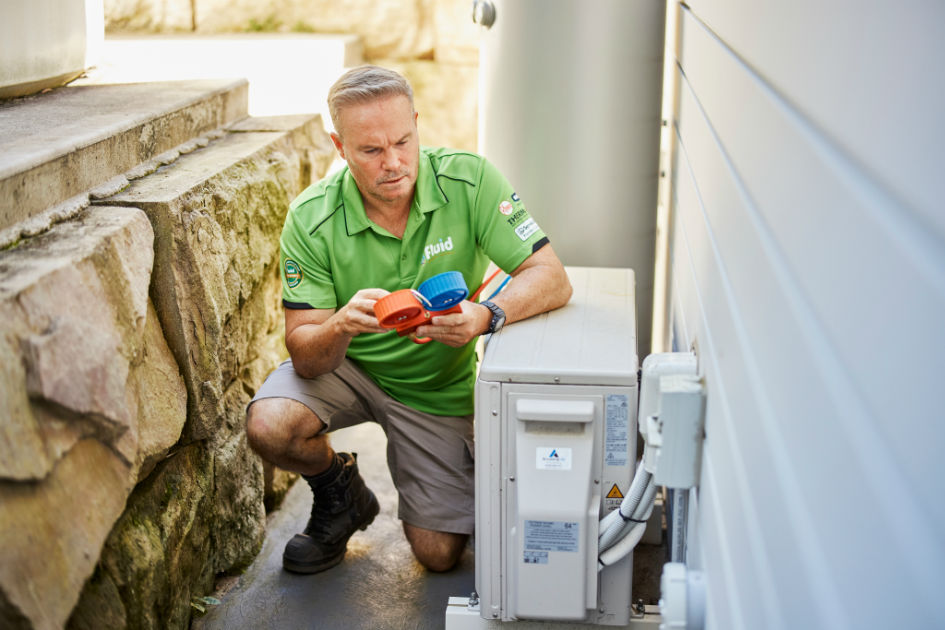
A split system air conditioner service is usually quicker and simpler than servicing a ducted setup, since there’s only one indoor and outdoor unit to check over.
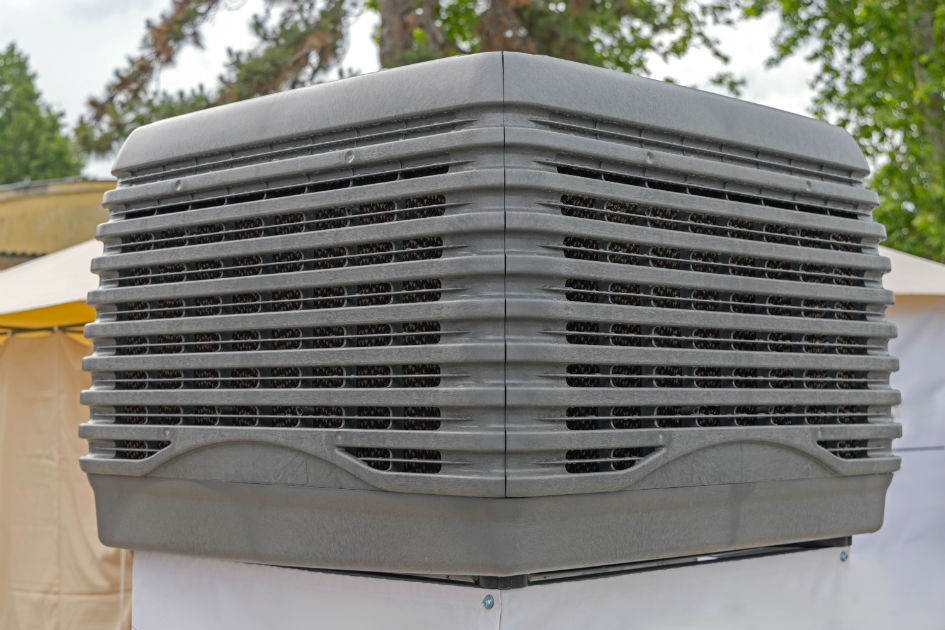
However, ducted systems – with their network of ductwork and multiple outlets – tend to need more thorough attention each visit. And some homes with heavy ducted use benefit from a check every 6 months rather than stretching to a full year.
As for multi-head systems, running several indoor units off one outdoor unit, they sit somewhere in between – as each additional indoor head adds a bit more to inspect.
2. Usage
A system that runs almost daily through a hot summer and a cold winter works a lot harder than one used occasionally on the odd warm afternoon. Makes sense, right?
More running hours means:
- More dust pulled through the filter
- More wear on moving parts
- More opportunity for the kind of buildup that leads to reduced performance or bad odours.
A system in a home office running eight hours a day, five days a week, is a legitimately different workload to one switched on for the occasional weekend – even if both units are identical on paper.
Heavy year-round use is a very good reason to service more often than the standard 12 months.
3. Environment
Where the system is actually sitting matters a lot more than people expect.
Let’s break it down to explain better:
Coastal properties deal with salt-laden air that can corrode outdoor components faster than an inland home would experience.
And these settings all load the filter and coil with more debris between services too:
- Dusty regions
- Renovation sites
- Homes with pets shedding hair.
So, a property near a construction zone or a busy road can accumulate grime on the outdoor unit at a noticeably faster rate – sometimes visibly within just a few months.
Does your household sound like any of those scenarios? 6-monthly attention is probably worth it rather than waiting the full year.
4. Warranty
Most manufacturers require documented, regular servicing to keep a warranty valid – regardless of how well the system seems to be running.
Skipping a service, or having it done informally without paperwork, can leave you without cover if something goes wrong down the track – even on a system that’s otherwise been perfectly reliable.
It’s a good idea to check your exact warranty terms rather than assuming annual servicing will be enough to satisfy them. Why? Because some brands ask for more frequent checks to keep extended warranty periods active.
Keeping copies of every service record also makes any future claim far more straightforward than trying to piece together a history after the fact.
5. Filters
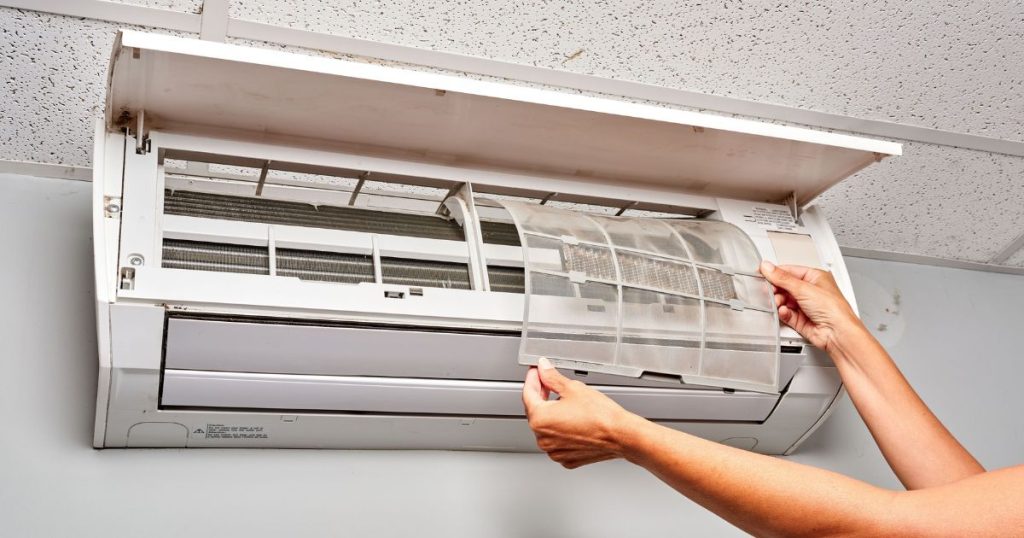
How well you’re keeping on top of cleaning air conditioner filters yourself between professional visits really does affect how much strain builds up on the rest of the system.
A filter that’s rinsed or replaced every few months, as most manufacturers recommend, keeps airflow consistent and reduces how hard the unit has to work to reach the temperature you’ve set. Neglect this step, though, and even a system on a solid annual service schedule can end up working harder than it should.
Remember: a clogged filter forces the whole unit to compensate for restricted airflow.
So, what should you actually do?
For most homes, an annual air conditioner service covers it.
Time it just before the season you use the system most – whether that’s summer or winter.
But if your setup ticks one or more of the boxes we’ve just talked about, like:
- Heavy daily use
- A coastal or dusty environment
- A fully ducted system
- A warranty with specific requirements.
In those cases, 6-monthly HVAC maintenance is worth considering instead.
Ready to get in touch?
Staying on top of your own aircon maintenance between visits, particularly filter cleaning, also goes a long way toward keeping the system running efficiently no matter which schedule you land on. It’s a small, regular effort that pays off in fewer breakdowns and a longer working life for the unit overall.
Not sure where your system actually sits, or when your last service was? The friendly team at Fluid Air Conditioning will thoroughly assess:
- Your particular aircon setup
- Your particular usage
- Your particular property and environment.
We can then recommend a servicing schedule that perfectly suits your home – not some generic once-a-year default.
Get in touch and we’ll help you keep your system running properly, all year round, with no guesswork.